Heritage & Cultural Industry
Preserving the Kingdom's cultural identity for future generations
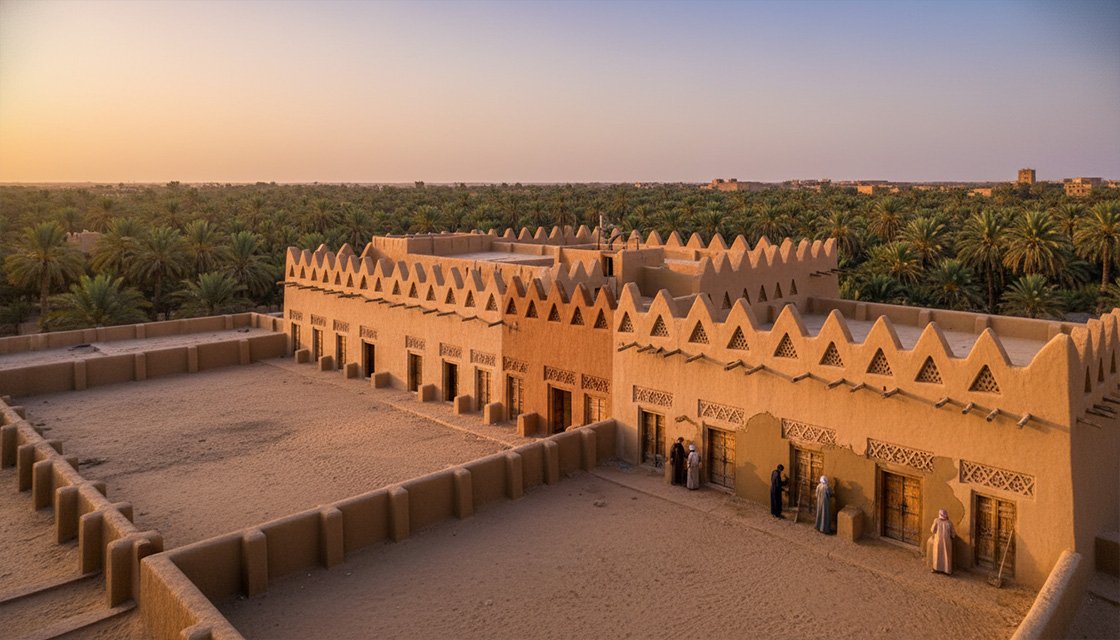
Saudi Arabia's heritage is a tapestry woven through millennia—from ancient Nabatean tombs at Hegra and mud‑brick palaces of the Najd region to historic mosques, traditional souks, and vernacular architecture that defines the Kingdom's cultural landscape. Under Vision 2030, the preservation of this rich heritage has become a national priority, with historic sites being restored, rehabilitated, and opened to the world.
At Arabian Company for Protection and Strengthening, we bring a unique combination of conservation philosophy and technical engineering to heritage projects. We understand that historic structures are irreplaceable cultural assets that require the utmost sensitivity. Our approach balances authenticity and innovation—preserving original materials and craftsmanship while discreetly integrating modern strengthening techniques to ensure these treasures stand for centuries to come.
Why Heritage & Cultural Assets Require Specialized Care
Historic structures face a unique set of challenges that demand specialized conservation expertise.
- Authenticity imperative: Interventions must preserve historic fabric and maintain cultural significance.
- Traditional materials: Mud brick, stone, lime mortar, and timber require compatible repair materials.
- Structural instability: Aging foundations, deteriorated walls, and loss of structural integrity.
- Environmental exposure: Decades or centuries of sun, wind, rain, and temperature cycling.
- Previous inappropriate repairs: Cement-based materials that trap moisture and accelerate decay.
- Modern code compliance: Balancing safety requirements with preservation ethics.
- Tourism and accessibility: Adapting for visitors without compromising historic character.
- Documentation gap: Often limited original construction records.
Our Philosophy: Conservation, Not Replacement
True heritage preservation follows a simple but rigorous principle: intervene as much as necessary, but as little as possible. Our approach is guided by international conservation charters and a deep respect for traditional Saudi craftsmanship.
Guiding Principles
- Authenticity first: Retention of original materials and features is always the priority.
- Reversibility: Where modern materials are necessary, they should be removable in the future without harming original fabric.
- Compatibility: Repair materials must be physically and chemically compatible with historic materials.
- Scientific approach: Every intervention is preceded by thorough investigation and documentation.
- Traditional craftsmanship: We employ skilled artisans trained in traditional building techniques.
- Minimal intervention: The least invasive solution that achieves preservation goals is always chosen.
Our Services for the Heritage & Cultural Sector
We deliver comprehensive conservation, restoration, and strengthening services tailored to the unique needs of historic structures.
Historical Assessment & Documentation
Before any physical work begins, we thoroughly document and understand the structure.
Research and investigation
- Historical research: Archival records, photographs, and documents to understand original form and later alterations.
- Significance assessment: Identifying which elements are most important to preserve.
- Oral history: Interviews with community members and elders about traditional uses and construction.
Physical documentation
- Measured drawings: Detailed hand-measured or laser-scanned architectural drawings.
- 3D laser scanning: High-precision point cloud documentation of complex geometries.
- Photogrammetry: Detailed photographic documentation for analysis and monitoring.
- Condition mapping: Systematic documentation of all deterioration, cracks, and previous repairs.
Material analysis
- Original material identification: Analysis of historic mortars, plasters, stones, and paints.
- Deterioration analysis: Understanding causes of decay (salt attack, moisture, structural movement).
- Compatible material development: Formulating repair materials that match original composition and behavior.
Mud-Brick (Adobe) & Earthen Architecture Restoration
Mud-brick architecture is a hallmark of Saudi heritage, particularly in the Najd region. It requires specialized knowledge and techniques.
Mud-brick repair and reconstruction
- In-situ repair: Consolidation of deteriorated mud-brick using compatible earth materials.
- Rebuilding: Reconstruction of collapsed or severely deteriorated sections using traditional methods and materials.
- Earth sourcing: Identification and testing of local soils to match original brick composition.
- Brick making: Hand-formed bricks using traditional wooden molds and techniques.
Earth plasters and finishes
- Traditional earth plasters: Application of mud and straw plasters that allow walls to breathe.
- Lime plasters and washes: Traditional finishes for earthen architecture.
- Texture matching: Replicating historic surface textures and finishes.
Foundation stabilization
- Discrete underpinning: Stabilizing foundations without altering historic fabric.
- Moisture control: Addressing rising damp that destroys earthen walls.
- Drainage improvement: Protecting bases of walls from water damage.
Stone & Masonry Conservation
Historic stone structures—from ancient tombs to traditional stone buildings—require specialized conservation techniques.
Stone repair and consolidation
- Surface consolidation: Strengthening friable or decaying stone using compatible consolidants.
- Stone repair: Filling cracks and losses with specially formulated mortars that match the original stone in appearance and behavior.
- Stone replacement: Where deterioration is irreversible, sourcing matching stone and carving replacements using traditional techniques.
Mortar repointing
- Analysis of original mortar: Determining composition of historic mortars.
- Compatible mortar formulation: Lime-based mortars that match original strength and appearance.
- Careful removal: Manual removal of deteriorated mortar without damaging stone.
- Traditional pointing techniques: Matching historic joint profiles and finishes.
Cleaning
- Gentle cleaning methods: Low-pressure water, soft brushes, or chemical poultices as appropriate.
- Biological growth removal: Careful removal of moss, lichen, and algae without damaging stone.
- Soiling and stain removal: Targeted treatment of specific stains.
Structural Stabilization of Historic Structures
Many heritage structures require structural strengthening to ensure safety while preserving historic fabric. We specialize in discreet, sympathetic interventions.
Discrete reinforcement
- Helical bar stitching: Stainless steel helical bars inserted into masonry to stabilize cracks and tie walls together—completely hidden within the structure.
- Grouted anchors: Hidden tie rods and anchors that provide structural restraint without visible elements.
- Bed joint reinforcement: Stainless steel mesh or bars inserted into mortar joints during repointing.
Grouting
- Low-pressure grouting: Injection of compatible grouts to fill internal voids and consolidate rubble-filled walls.
- Hydraulic lime grouts: Natural, breathable grouts compatible with historic masonry.
- Void filling: Filling internal gaps that compromise structural integrity.
Foundation stabilization
- Underpinning: Strengthening foundations with minimal disruption.
- Resin injection: Expanding polyurethane resins to stabilize soils beneath foundations (where appropriate and approved).
Seismic retrofitting
- Discrete seismic strengthening: Adding hidden reinforcement to improve earthquake performance without altering appearance.
- Connection improvements: Strengthening connections between walls, roofs, and floors.
Wooden Elements Restoration
Traditional doors, windows, roof beams, and decorative wooden elements require specialized conservation.
Timber assessment
- Species identification: Identifying original timber species.
- Condition assessment: Identifying rot, insect damage, and structural weakness.
- Moisture monitoring: Assessing moisture content and risk of decay.
In-situ repair
- Consolidation: Strengthening sound but deteriorated wood with appropriate consolidants.
- Patching and splicing: Repairing damaged sections with matching timber and traditional joinery.
- Insect treatment: Environmentally responsible treatment of active insect infestation.
Replacement
- Matching timber: Sourcing timber species and quality matching original.
- Traditional joinery: Crafting replacement elements using historic joinery techniques—mortise and tenon, dovetails, etc.
- Faithful reproduction: Matching original profiles, carvings, and finishes.
Protective treatments
- Reversible finishes: Applying breathable, reversible finishes that protect without altering appearance.
- Water repellents: Protecting exposed timber from moisture while allowing vapor transmission.
Decorative Finishes & Ornamentation
Historic buildings often feature decorative plasterwork, carvings, and painted finishes that require specialist care.
Gypsum and plaster restoration
- Historic plaster analysis: Understanding original composition and techniques.
- Repair and replication: Recreating decorative plaster elements using traditional materials and methods.
- Stabilization: Consolidating fragile or detaching plaster.
Stone carving reproduction
- Skilled artisans: Master carvers who can replicate historic decorative carving.
- Matching techniques: Using traditional tools and methods to achieve authentic results.
- Integration: Seamlessly integrating new carving with historic fabric.
Painted finishes
- Paint analysis: Stratigraphic analysis to identify original colors and later over-painting.
- Color matching: Developing paints that match historic colors using compatible binders.
- Conservation cleaning: Careful removal of later over-paint to reveal original finishes.
- Reintegration: Sensitive in-painting of losses where appropriate.
Archaeological Site Conservation
For sites of archaeological significance, we provide specialized conservation services that protect remains while allowing public access.
Ruins stabilization
- Wall capping: Protecting exposed wall tops from water penetration and further deterioration.
- Reburial: Where appropriate, protective reburial to preserve remains.
- Consolidation: Stabilizing fragile excavated remains.
Shelter structures
- Protective shelters: Designing and constructing shelters that protect archaeology while allowing viewing.
- Environmental control: Managing humidity, light, and temperature within shelters.
- Minimal impact: Foundations and structures that do not disturb underlying archaeology.
Site presentation
- Visitor access: Creating safe access paths that protect archaeology.
- Interpretation: Collaborating with archaeologists and museologists on site interpretation.
Our Traditional Craft Capabilities
Heritage restoration requires skills that have been passed down through generations. We pride ourselves on maintaining and reviving these traditional crafts.
- Lime plastering: Traditional breathable finishes for stone and mud-brick walls.
- Mud-brick making: Hand-formed earth blocks using traditional methods.
- Stone carving: Recreating decorative stone elements.
- Traditional joinery: Hand-crafted wooden doors, windows, and screens.
- Gypsum carving: Decorative plasterwork and ornamental details.
- Forged metalwork: Traditional gates, grilles, and hardware.
- Lime washing: Traditional breathable finishes.
Standards & Compliance
We adhere to international conservation standards and work closely with heritage authorities.
- ICOMOS (International Council on Monuments and Sites) charters: Venice Charter, Burra Charter.
- UNESCO World Heritage Centre guidelines.
- Saudi Heritage Commission standards and guidelines.
- Ministry of Culture heritage regulations.
- International conservation principles (minimum intervention, reversibility, compatibility).
Typical Heritage & Cultural Assets We Serve
- Historic palaces and royal residences.
- Traditional mud-brick villages (Najdi architecture).
- Historic mosques and religious structures.
- Heritage sites (UNESCO and national).
- Archaeological sites and ruins.
- Historic souks and commercial buildings.
- Traditional forts and defensive structures.
- Historic residential buildings.
- Museums and cultural institutions (historic buildings).
- Caravanserais and historic travel stops.
- Traditional water systems (qanats, wells, cisterns).
Why Heritage Owners Choose Arabian Company
- Cultural understanding: Deep respect for Saudi Arabia's architectural heritage and the cultural values it represents.
- Conservation philosophy: Our work is guided by international conservation principles, not construction shortcuts.
- Technical expertise: We combine traditional craftsmanship with modern conservation science.
- Reversible interventions: Where modern materials are necessary, we prioritize techniques that can be removed in the future.
- Documentation: Every project is thoroughly documented, creating a record for future generations.
- Regulatory compliance: We work closely with the Heritage Commission and other authorities.
- Skilled artisans: Our team includes master craftsmen trained in traditional building techniques.
- Proven experience: Successful heritage projects across the Kingdom.
Case Study Highlight: Restoration of Historic Mud-Brick Palace – Najd Region
Client: Saudi Heritage Commission
Scope: Comprehensive conservation of a 150‑year‑old mud-brick palace, including foundation stabilization, wall repairs, traditional plastering, and wooden element restoration.
Challenge: Severe erosion of lower walls due to historical flooding; previous inappropriate repairs with cement materials trapping moisture.
Solution: Documentation and laser scanning; removal of incompatible cement repairs; soil analysis to match original mud-brick; discreet foundation strengthening using traditional techniques; careful reconstruction of eroded mud-brick using original earth sourced from the site; application of traditional earth plasters; restoration of wooden doors and windows using traditional joinery.
Outcome: The palace was stabilized and restored to its original appearance, now serving as a community cultural center and heritage tourism destination.
Case Study Highlight: Stone Conservation – Historic Mosque, Jeddah
Client: Ministry of Culture
Scope: Conservation of a historic stone mosque in the Al-Balad district of Jeddah (a UNESCO World Heritage site).
Challenge: Deterioration of coral stone masonry from salt attack and moisture; previous cement repointing causing further damage; minaret showing signs of instability.
Solution: Detailed stone-by-stone condition assessment; removal of cement pointing; formulation of compatible lime-based mortars; stone consolidation where required; discreet reinforcement of minaret using stainless steel helical bars; traditional lime washing of exterior.
Outcome: Mosque conserved to international standards, retaining its historic character while ensuring structural safety. Project received heritage award from the Saudi Heritage Commission.
Case Study Highlight: Archaeological Site Stabilization – Hegra (Mada'in Salih)
Client: Royal Commission for AlUla
Scope: Stabilization of exposed Nabatean tomb facades and structural assessment of deteriorating elements.
Challenge: Wind and sand erosion of soft sandstone; cracking of some tomb facades; need for interventions that are completely invisible and reversible.
Solution: Detailed documentation using 3D laser scanning; micro-erosion monitoring; targeted consolidation of friable stone using compatible consolidants; crack monitoring with tell-tales; emergency stabilization of loose elements using reversible techniques; development of long-term environmental monitoring program.
Outcome: Tomb facades stabilized and monitored; no visible alteration to the archaeological resource; ongoing preservation program established.
Case Study Highlight: Traditional Wooden Window Restoration – Historic House, Riyadh
Client: Private owner
Scope: Restoration of original wooden windows (rawasheen) in a historic house in the Dirah district.
Challenge: Wood rot, missing carved elements, loss of original joinery; need to maintain historic appearance while improving functionality.
Solution: Detailed documentation of all window elements; in-situ repair where wood remained sound; careful replication of missing carved elements by master carvers using traditional tools; reconstruction of deteriorated sections using matching timber and traditional joinery; application of traditional breathable finishes.
Outcome: Windows restored to their original appearance and function, preserving an important example of traditional Saudi craftsmanship.
Contact Our Heritage & Cultural Team
To discuss how Arabian Company can assist with the conservation of your heritage asset, please contact our dedicated Heritage & Cultural sector team. We work closely with owners, authorities, and communities to ensure the Kingdom's cultural treasures are preserved for future generations.
Arabian Company for Protection and Strengthening
Email: heritage@arabiancompany.sa
Phone: +966 13 800 3399
Specialized heritage offices in Riyadh, Jeddah, and AlUla – positioned to serve the Kingdom's most significant cultural sites.
— Guardians of Saudi Arabia's cultural legacy —